Court of Appeal increases sentences for Fordingbridge teenage rapists
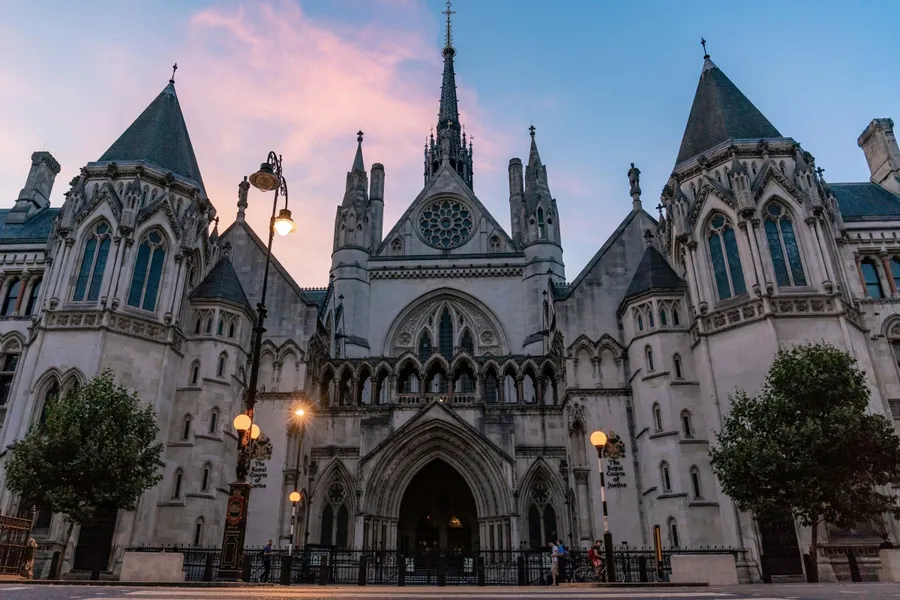
Two teenage boys have been given four-year terms of youth detention after the Court of Appeal ruled that their original non-custodial sentences for the rape of two girls in Fordingbridge were unduly lenient.
The boys, both now 15 and known in court as X and Y, were 14 at the time of the offences. A third boy, known as Z and now 14, had been 13. The attacks took place in the Hampshire town. In the first incident a 15-year-old girl was raped by the two older boys. In the second, the same pair took turns to rape a 14-year-old girl while the younger boy encouraged them and filmed part of the assault. Between them the defendants faced multiple counts of rape and related indecent image offences.
At Southampton Crown Court the original trial judge had imposed three-year youth rehabilitation orders with intensive supervision and surveillance on X and Y. Z received an 18-month youth rehabilitation order. The judge stated that he wished to avoid criminalising the children unnecessarily and noted the role of peer pressure.
The sentences prompted public concern. The Attorney General referred the case to the Court of Appeal under the unduly lenient sentence scheme. A panel led by the Lady Chief Justice, Baroness Carr, heard the matter. The court concluded that the original judge had materially undervalued the seriousness of the offending and the psychological harm caused to the two victims.
Addressing X and Y, Baroness Carr said their actions were so serious that detention was unavoidable. She noted that the boys had raped two girls on separate occasions, had encouraged one another and had filmed the second attack. The court substituted four-year detention sentences. Time already spent on curfew will count towards the terms, and the boys will serve half of the remaining period. Lifelong restraining orders preventing contact with the victims were also imposed.
Z’s original sentence was upheld. The court took account of his younger age and more limited role in a single incident.
The mother of one of the victims said the new sentences were an improvement but still fell short of what she believed justice required. Families of the girls have expressed relief that the Court of Appeal recognised the gravity of the crimes.
The case has drawn attention to the difficult balance courts must strike when sentencing young offenders for serious sexual offences. Judges must weigh the ages and vulnerabilities of both the defendants and the victims, the lasting impact on those harmed, and the need for public protection. The Court of Appeal made clear that non-custodial outcomes were not justified on the facts of this case.
Legal representatives for the boys have indicated that further appeals against conviction remain under consideration. The sentences themselves stand unless successfully challenged. The Crown Prosecution Service has also faced scrutiny over the accuracy of an early press statement that did not fully reflect the trial judge’s findings; the service later corrected the record and accepted that its communications must accurately reflect court conclusions.
For the local community the outcome brings a measure of resolution after a case that caused deep distress. The Court of Appeal’s decision underlines that the harm caused by sexual violence against children and young people will be treated with the seriousness it warrants, even when the offenders themselves are young.