Archaeologists Unearth Ancient Settlement in Fordingbridge
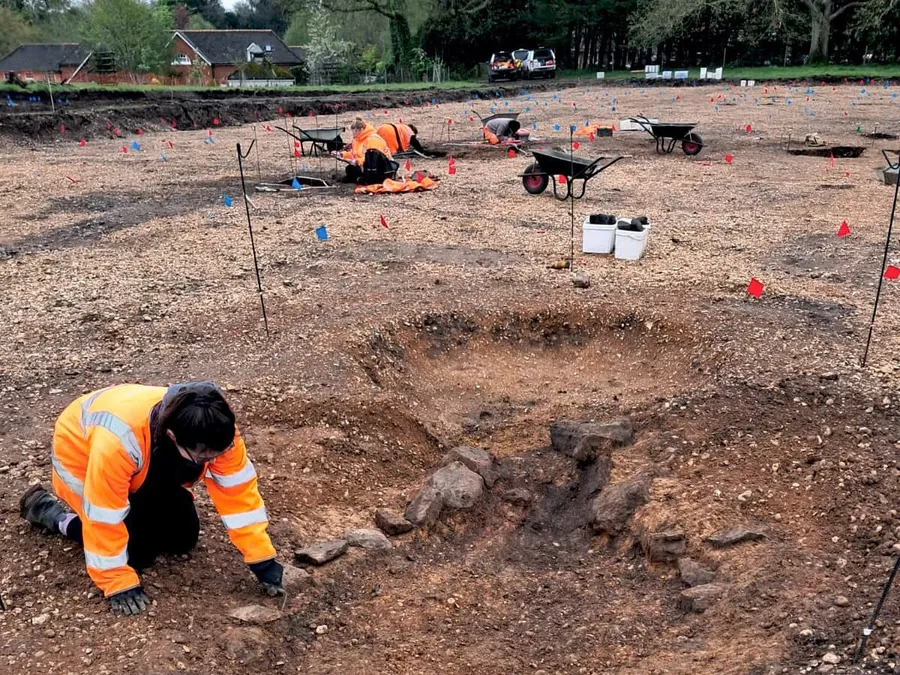
In a fascinating discovery on the western fringes of Fordingbridge in Hampshire, just beyond the New Forest National Park, experts from Cotswold Archaeology have uncovered the remains of a long-forgotten rural settlement.
The dig, prompted by upcoming housing work from CALA Homes, has revealed more than two thousand archaeological features, offering a glimpse into how people lived, worked, and adapted over centuries.
The site dates back to the Late Iron Age, carrying on into the Early Roman period, with later activity ramping up in the Middle to Late Roman times.
What started as a domestic hub, complete with at least fifteen roundhouses facing east or southeast, some even boasting porches, evolved into something more industrial. These circular homes overlapped in places, hinting that folks rebuilt them as the old ones wore out, while enclosures, ovens, and trackways were reorganised over time to suit changing needs.
Among the standout finds are everyday items that tell tales of daily grind. There are fragments of quern stones for milling grain, including one rare complete rotary quern crafted from green sandstone, likely hauled in from Sussex.
Stone specialist Ruth Shaffrey noted it had a long and well-used life, probably serving first as a bottom stone, before being adapted and reused as a top stone, with signs of heavy wear and a slot for a wooden handle. It was found carefully placed upside down in a pit when finally retired.
Other bits include fired clay spindle whorls and loom weights for textile making, a crucible suggesting metalworking, and heaps of misfired pottery wasters, plus burnt flint and more fired clay, pointing to on-site ceramics production.
But the excitement does not stop there. Digging deeper, the team found Middle Neolithic pottery from around five thousand years ago, known as Peterborough Ware or Impressed Ware. This stuff is scarce around the New Forest edge, with similar finds at only about thirty spots in the county.
Two bowls stood out: a small one decked in horizontal rows of bone and fingernail impressions, possibly over a thousand tiny marks in total, and a larger one with a collared rim featuring twisted cord ‘Z’ patterns and more fingernail digs. Experts reckon the cord twists suggest the potter was right-handed, and the decoration hints at tools like fingers or sticks wrapped in cord.
This shift from homey living to bustling industry under Roman influence is what makes the site special. It shows how rural Brits processed cereals, wove fabrics, and reused gear economically, contributing to the bigger picture of the local economy.
Ongoing lab work might link the pottery to known New Forest kilns or reveal a brand-new production spot.
Local history buffs can catch the team chatting about it at Rockbourne villa’s VillaFest in early August.
For a quiet town like Fordingbridge, this dig is a reminder that under our feet lies a rich tapestry of ancient stories, from Neolithic potters to Roman crafters, all waiting to be told.